
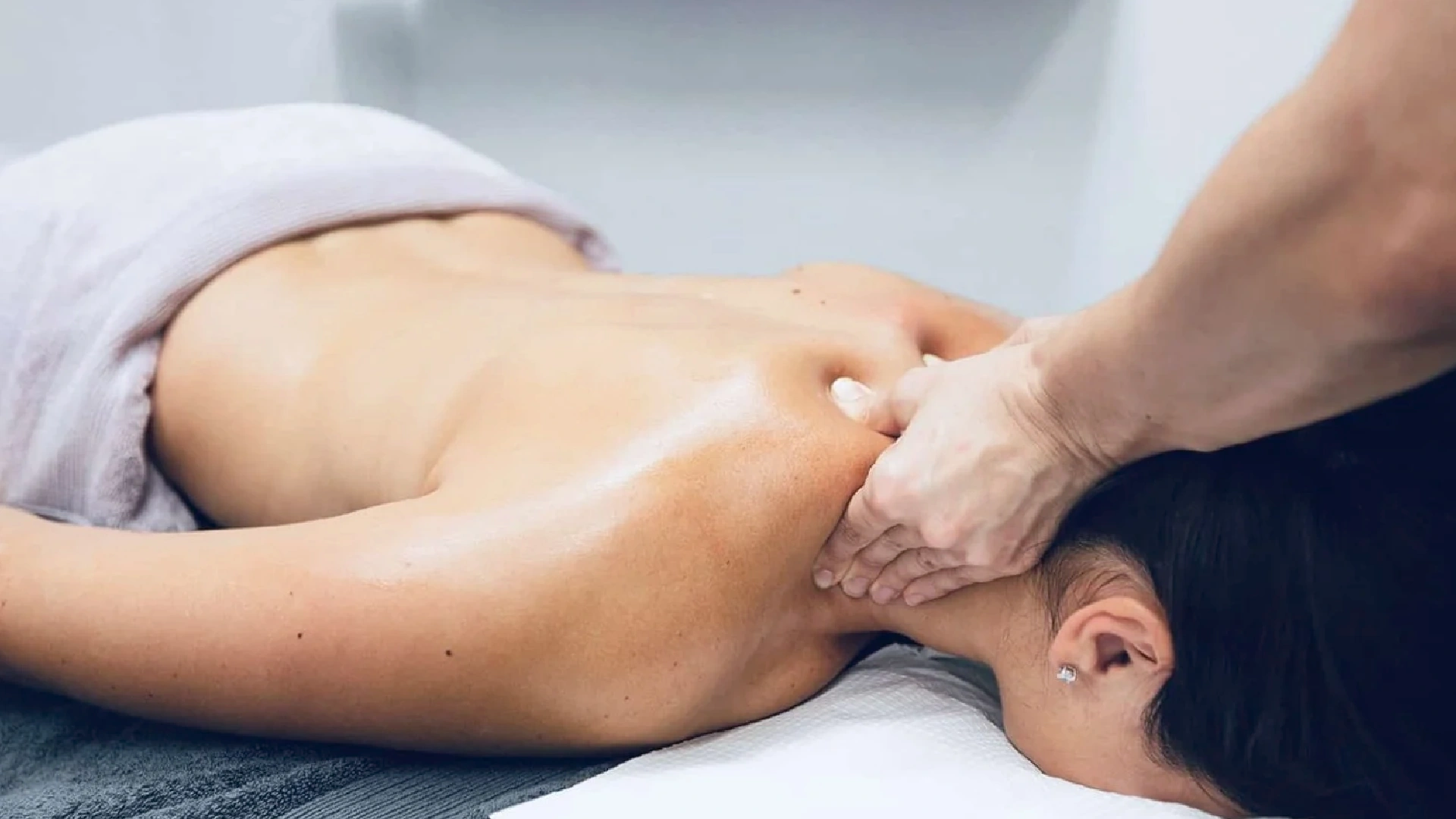
Muscle tension rarely announces its depth. A tight neck after a week of screens and a shoulder that has ached for months may feel similar, yet they respond to different hands. Understanding where deep tissue massage in Minneapolis, MN excels, and where Swedish work wins, helps you match the technique to the problem.
Two Techniques Built for Different Problems
Swedish massage works the surface layers with long, gliding strokes, kneading, and gentle friction. A deep tissue massage therapist in Minneapolis reaches beneath those layers, using slower strokes and sustained pressure to address the deeper muscle and connective tissue where chronic tightness lives.
Neither approach is superior in every case. The better fit depends on where the tension sits, how long it has lingered, and how much pressure the body welcomes on a given day, and the sections below set out where each one earns its place.
Swedish Massage Restores Ease Across the Whole Body
Swedish technique excels at broad, surface-level tightness, the kind that builds from stress, travel, or long hours at a desk. Its rhythmic strokes may encourage circulation and invite the nervous system to downshift, which is why many first-time clients begin here.
The pressure can range from light to firm, yet the intent stays restorative rather than corrective. When the goal is to unwind the whole body instead of unraveling a specific knot, Swedish work often serves better than deep tissue massage in Minneapolis, MN.
Who Gains Most From Swedish Technique
First-time clients, frequent travelers, and anyone carrying general stress tend to respond well to Swedish work. It also suits days when the body feels fragile, since the pressure can stay soft while still easing stiffness through the back, shoulders, and legs.
Deep Tissue Targets Tension That Has Settled In
Chronic knots, postural strain, and tightness from repetitive training often respond well to focused, sustained pressure. A skilled deep tissue massage therapist in Minneapolis works slowly across the grain of the muscle, giving tissue time to soften before moving deeper.
The work can feel intense, and mild soreness for a day or two afterward is a normal response. Communicating pressure openly throughout keeps deep tissue massage in Minneapolis, MN productive without crossing into discomfort the body resists.
Signs Your Tension Calls for Deeper Work
Certain patterns suggest the problem lives below the surface. When several of these sound familiar and a doctor has ruled out injury, a deep tissue massage therapist in Minneapolis is likely the better match.
- Pain returns to the same spot within days of a relaxing massage.
- Knots feel ropy or dense when pressed.
- Stiffness limits how far you can turn your neck or lift your arms.
- Tightness tracks with running, lifting, or other repetitive training.
- Postural ache builds from hours at a desk or behind the wheel.
Matching the Method to the Moment
Timing shapes the decision as much as tension does. Before a big event, a lighter Swedish session leaves the body loose and refreshed, whereas deep tissue massage in Minneapolis, MN fits best when a day or two of recovery is available afterward.
Many clients alternate between the two over time. A thoughtful deep tissue massage therapist in Minneapolis can also blend techniques within one session, opening the body with Swedish strokes before turning firm pressure toward the areas that need it most.
Water, Warmth, and a Word About Old Injuries
Hydrate through the day, eat lightly beforehand, and mention any injuries or tender areas before the therapist begins. Afterward, a warm shower and gentle stretching help either technique settle in, and a glass of water is a sensible close after firm, sustained pressure.
Pressure Calibrated to Your Body and Your Address
Experienced, certified therapists on Luxe Touch practice Swedish and deep tissue massage in Minneapolis, MN alongside sports, myofascial, neuromuscular, and Thai work. Our providers adjust pressure to your feedback, so each session lands where your body asks and nowhere it resists.
Some Luxe Touch providers also offer hot stone, cupping, Theragun, and CBD add-ons, visible once a request is accepted. Added to a session with a deep tissue massage therapist in Minneapolis, those finishes give corrective work a warmer, more restorative close.
FAQ’s
1. Is deep tissue massage supposed to hurt?
It can feel intense but should never turn into sharp pain, so tell the therapist when the pressure needs adjusting.
2. Which massage is better for first-timers?
Swedish massage is usually the gentler starting point for first-time clients.
3. How long does soreness last after deep tissue work?
Mild soreness typically fades within a day or two.
4. Can one session combine both techniques?
Yes, many therapists open with Swedish strokes before applying deeper pressure where needed.
5. Should I drink water after a massage?
Yes, staying hydrated is a sensible habit afterward, especially after firm pressure.